You’re settling in for a cozy winter evening. The fire is crackling, a good movie is on, and you’re wrapped in your favorite blanket.
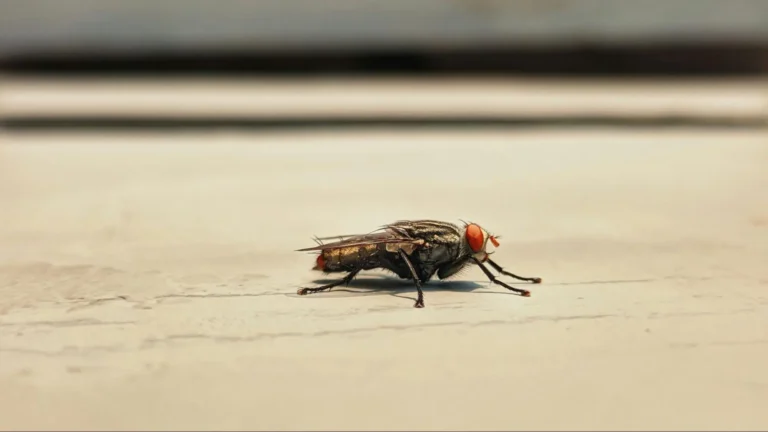
Then, you see it. A single, sluggish fly buzzing lazily against the windowpane, drawn to the light.
Then another. And another.
Soon, you realize you have some pests settling in for a long winter’s nap, and they’ve decided to cozy up right in your own home.
These aren’t your typical summer house flies. Welcome to the world of cluster flies.
If you’re seeing flies around your home this winter, know you’re not alone. These pests are common, yet their arrival often feels like a mystery. How did they get in? Why are they here now?
And most importantly, how do you get them to leave? We’ve got the answers. We’ll walk through what these flies are, why they’ve chosen your home for their winter vacation, and what you can do to send them packing for good.
What Are Cluster Flies?

Cluster flies are slightly larger and darker than the common housefly, and they move with a distinctly sluggish, almost clumsy grace. They get their name from their habit of “clustering” together in large numbers, often in warm, sheltered places.
You might be thinking they’re a sign of filth, but that’s not the case at all. Unlike houseflies, which are attracted to garbage and decaying matter, cluster flies have a completely different life cycle.
Their larvae are actually parasites of earthworms. Their journey begins in your lawn, not your trash can. In the late summer and early fall, adult cluster flies emerge and begin searching for a place to wait out the winter.
What are they looking for? In general, they’re seeking a safe, warm spot to hibernate, or more accurately, to enter a state of diapause. Your home’s wall voids, attics, and crawl spaces are the perfect five-star resorts for them, where they sneak in through tiny cracks and crevices in your siding, around windows, and under the eaves.
Why Are Cluster Flies Suddenly Active in Winter?

You probably didn’t notice the cluster flies when they first moved in during the fall. That’s because they were quietly hibernating within your walls. The problem arises on those surprisingly warm, sunny winter days, when the sun heats the side of your house, warming the wall voids where the flies are hiding.
This warmth tricks them into thinking spring has arrived. They wake up and, seeking a way out, often end up moving inward instead of outward. This is why you suddenly find them buzzing around your light fixtures and windows, looking confused and slow.
They aren’t breeding in your home; they are just lost and trying to get back outside to the spring that isn’t quite here yet. The good news is they don’t cause structural damage or transmit diseases to humans.
The bad news? They’re incredibly annoying. A single home can house thousands of these hibernating pests, and while they’re slow-moving and (mostly) harmless, few people actually want them buzzing around their food.
Your Action Plan: Getting Rid of Cluster Flies

Getting rid of cluster flies involves a two-pronged approach. You need to deal with the flies that are already inside and then prevent a new batch from moving in next year.
Step 1: Handling the Flies Inside Now
When you see a cluster fly, your first instinct might be to grab the fly swatter. While it’s satisfying, it’s not the most effective method, especially when you’re dealing with dozens of them. Swatting them can also leave behind greasy spots on your walls and windows, something you’d probably rather avoid.
A vacuum cleaner is your best friend in this fight. Using the hose attachment, you can quickly suck up dozens of flies from windows, walls, and ceilings without leaving a mess. Once you’re done, be sure to dispose of the vacuum bag or empty the canister outside immediately. You don’t want them crawling back out!
For larger infestations, you might consider using light traps. These devices use ultraviolet light to attract the flies, which are then trapped on a sticky glue board. Place them in low-traffic areas where you see the most fly activity, like in an attic or a spare room. This is a great, low-effort way to capture them as they emerge from hiding.
Step 2: Taking Steps to Prevent Future Pests
Dealing with the flies inside is just a temporary fix, as the real victory lies in preventing them from getting in next year. Ideally, prevention is a game you play in the late summer and early fall, well before the first frost.
Seal up your home like it’s a fortress. An adult cluster fly can squeeze through an opening as small as 1/8 of an inch. You’ll need to conduct a thorough inspection of your home’s exterior. Look for and seal any cracks or openings you can find, paying close attention to:
- Gaps around window and door frames
- Cracks in the foundation or siding
- Openings around utility lines, pipes, and vents
- Damaged screens on windows and doors
- Gaps under the eaves of the roof
Use high-quality silicone or acrylic latex caulk to fill these gaps. For larger holes, you might need to use steel wool or expanding foam sealant.
When to Call in the Professionals
Sealing up every tiny crack in a house can be a massive undertaking, yet sometimes, despite your best efforts, the flies find a way in. If you’re facing a large, persistent infestation year after year, it might be time to call for professional backup.
A professional pest control service like PWI Pest Solutions can offer solutions that go beyond what you can do on your own.
For example, they can apply a targeted exterior treatment in the late summer. This treatment creates a protective barrier that deters cluster flies from landing on your home and searching for entry points in the first place. These treatments are specifically timed to coincide with the period when cluster flies are most active in seeking winter shelter.
Attempting to use insecticides inside your home to deal with an active winter infestation is generally not recommended. The flies are emerging from deep within your walls, and it’s nearly impossible to treat all the hidden voids.
Moreover, using a “bug bomb” or fogger can lead to a bigger problem. It may kill some flies, but many will die inside the walls, which can attract other pests like carpet beetles and rodents.
Take Back Winter with PWI Pest Solutions
If the thought of searching for every crack and crevice feels overwhelming, or if you’re dealing with an army of flies that just won’t quit, don’t hesitate to get expert help. Our team at PWI Pest Solutions has the experience and tools to create a comprehensive plan for your home, helping you make sure your winters are peaceful and fly-free.
Contact PWI Pest Solutions today to learn more about our effective cluster fly control services and schedule your consultation today.