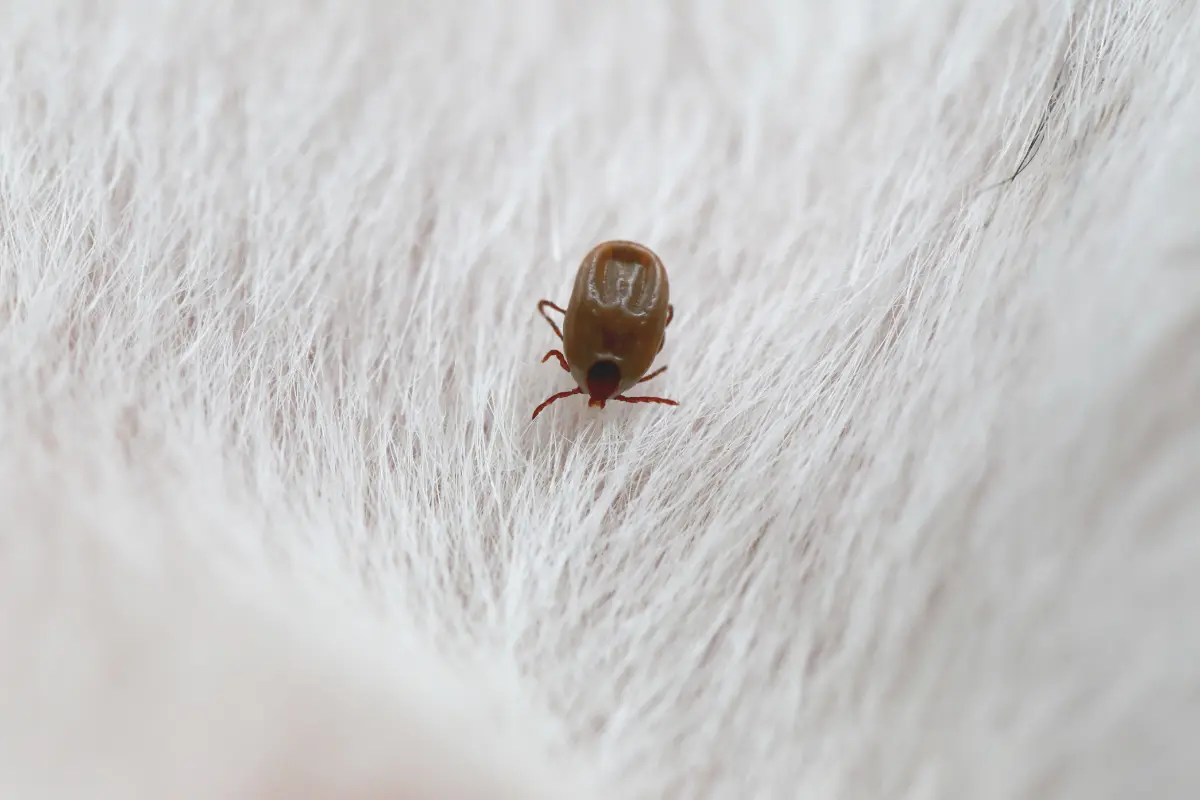
Spring brings warmer weather, longer days, and an immediate, perhaps demanding, need to protect your home from a flea and tick invasion.
You probably want to spend your weekends enjoying your backyard without worrying about tiny pests attaching themselves to your pets or family members, and we’re here to help. In our guide, we’ll. cover exact yard maintenance steps, pet protection protocols, indoor cleaning habits, and wildlife management tactics that stop these parasites before they multiply.
Make Your Yard Unwelcoming to Pests
Tall grass and unkempt shrubs serve as the primary breeding grounds for a flea and tick population. Cut your grass short every week, especially around the perimeter of your yard where fences and trees create heavy shade. Ticks love moisture and darkness, so exposing your lawn to direct sunlight naturally drives them away from your property.
Remove all the dead leaves left over from winter immediately. Rake up the wet debris sitting under your bushes, clear out old pine needles, and bag everything up for yard waste collection. Pests use this decaying plant matter to hide from the sun and lay their eggs, but keeping your garden beds clear deprives them of their favorite real estate.
Create a wide barrier of wood chips or gravel between wooded areas and your green lawn; ticks hate crossing dry, rough surfaces because it dehydrates them. A three-foot barrier acts like a moat around your castle, physically stopping ticks from crawling out of the woods and into the spaces where your kids play.
You should also trim back overgrown branches and thick bushes. Better airflow dries out the soil underneath your landscaping. When you remove the moisture, you remove the environment these pests need to survive.
Prioritize Pet Protection Every Day
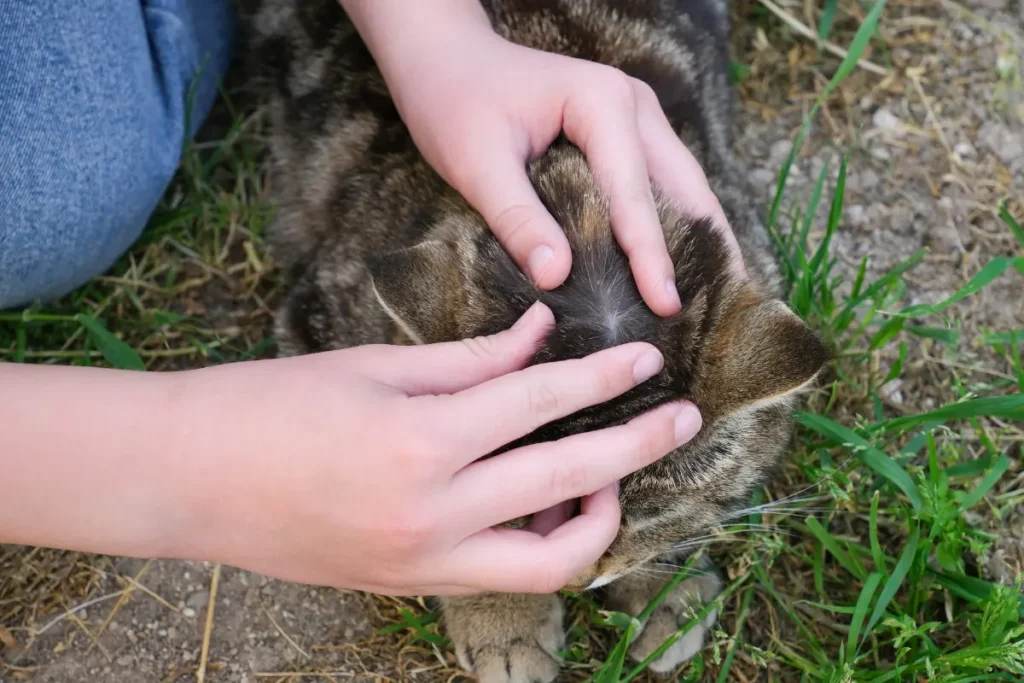
As much as we love them, our dogs and cats act as the main transportation system bringing a flea and tick problem inside your house. Talk to your veterinarian immediately to get your animals on a consistent preventive medication.
Oral chews, topical liquids, and medicated collars all work well when applied precisely on schedule. That schedule is a non-negotiable, as skipping even one month gives pests a window of opportunity to latch onto your dog at the park and hitch a ride straight into your living room.
Check your pets thoroughly every single time they come inside from a walk or a play session in the yard, running a fine-toothed metal comb through their fur to catch loose debris and tiny insects. Look closely at their belly, under their collar, behind their ears, and directly between their toes. You might find a tick crawling on the surface of their coat before it has a chance to bite down.
Keep a tick removal tool or a pair of fine-tipped tweezers right by your front door. If you spot a tick attached to your dog, grasp the bug as close to the skin as possible and pull straight up with steady pressure. Never twist or jerk the tweezers. Wash the bite area with soap and water immediately to prevent infection.
For cats that spend time outdoors, stick to pet-safe brush routines and strictly monitor their sleeping areas. Cats, in particular, deserve extra attention, as they groom themselves constantly, which can lead them to swallow a flea and develop a tapeworm infection. If you’re able to catch the problem early, it could save you a massive veterinary bill down the road.
Fortify Your Home Interior
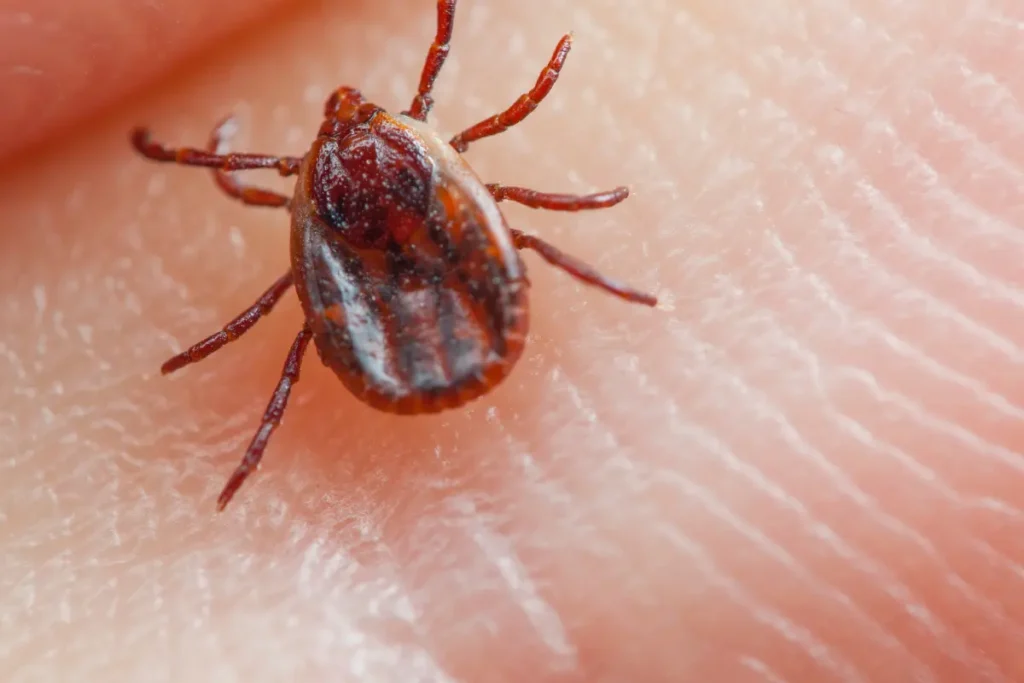
Your home interior also needs regular attention to catch any stragglers that make it through your outer defenses.
Vacuum your carpets, large area rugs, and upholstered furniture at least twice a week, paying special attention to the dark corners under your couch, behind the television stand, and along the baseboards. Flea eggs roll off your pets and hatch deep inside the carpet fibers. A strong vacuum lifts the adults, larvae, and eggs all at once.
Throw away the vacuum bag in an outdoor trash can immediately after you finish cleaning. If you use a bagless vacuum, wash the plastic canister in hot, soapy water right away. Pests can easily crawl right back out of the vacuum and re-infest your house if you leave the debris sitting in the closet.
Wash all pet bedding, blankets, and your own bed sheets in the hottest water setting your washing machine allows. Hot water kills insects hiding in the fabric. Toss everything into the dryer on high heat for at least forty-five minutes. The intense, dry heat destroys any remaining eggs that survived the wash cycle.
Clutter also gives pests a place to hide and multiply in peace. Pick up piles of clothing from the bedroom floor, organize your shoes in the entryway, and keep your floors as clear as possible. A tidy house makes it incredibly difficult for pests to establish a colony without you noticing.
Deter Wild Animals from Your Property
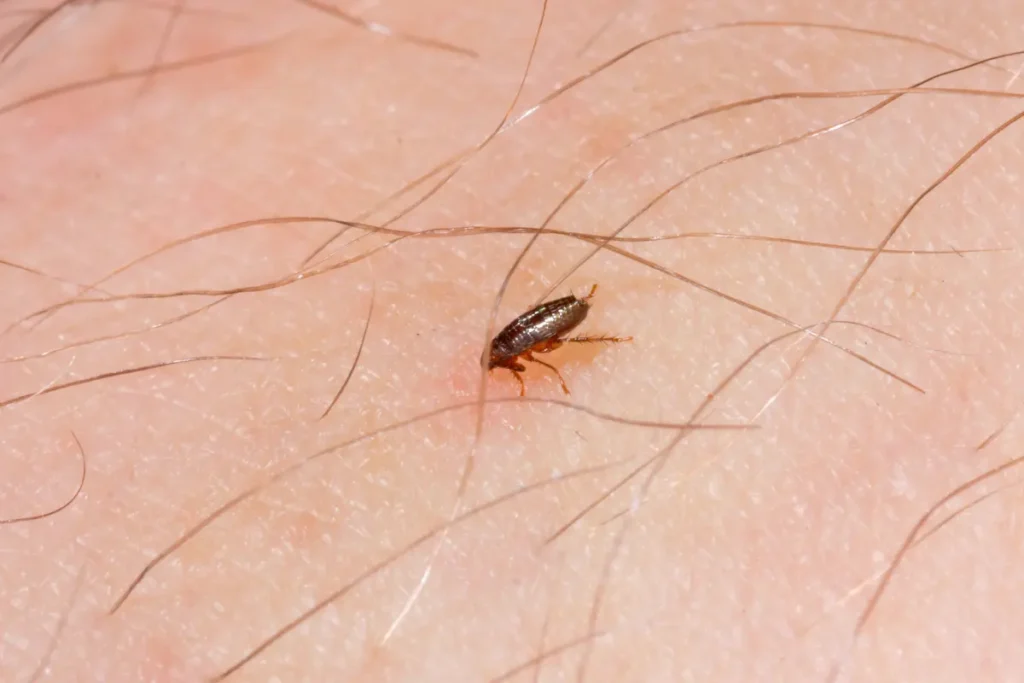
Mice, raccoons, squirrels, and deer carry heavy loads of parasites right into your yard. Keep these wild visitors away by securing your outdoor garbage cans with tight-fitting, heavy lids. Raccoons and stray cats will gladly dig through your trash and leave hundreds of fleas behind in the process.
Move your firewood piles at least twenty feet away from your house and elevate the wood off the ground using cinder blocks or a metal rack. Mice love to build nests inside damp, rotting woodpiles. When the mice move in, they bring ticks with them. Keeping the wood dry and elevated forces rodents to look for shelter somewhere else.
Patch up any holes in your wooden fences and seal the gaps underneath your deck. Skunks and groundhogs view the dark space under a low deck as the perfect spot to raise a family. Block their access using heavy wire mesh buried a few inches into the ground. Clean up any spilled birdseed around your bird feeders every few days, too, as birdseed attracts mice and chipmunks in large numbers, making your yard a prime target for a sudden tick infestation.
Be Consistent with Your Pest Control Year-Round
Spring pest control requires consistent, daily effort across your yard, your pets, and your home interior. Take these practical steps early in the season to protect your family from painful bites and potential illnesses.
Call PWI Pest Control today to schedule a professional perimeter treatment and keep your property perfectly protected year-round.