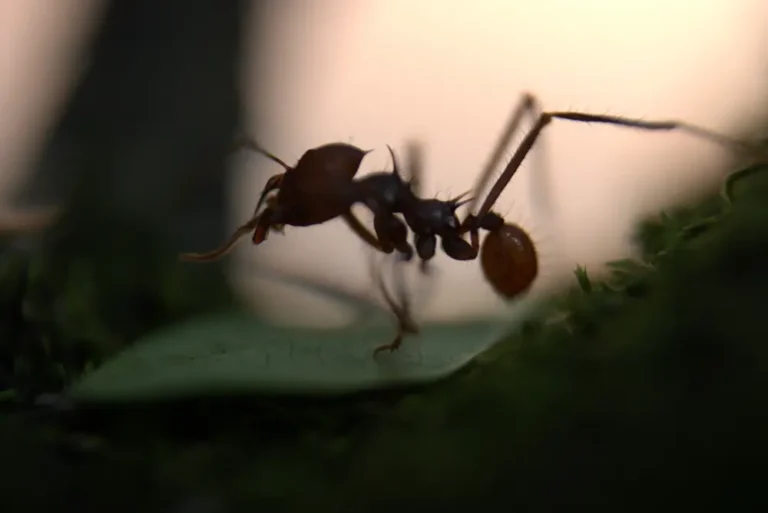
Learning how to get rid of carpenter ants starts with understanding what you’re up against. After all, these aren’t your average picnic-crashers looking for a stray crumb.
Carpenter ants are wood-destroying insects that tunnel through lumber to create nests. While they don’t eat the wood like termites, the damage they cause can be just as severe over time.
As you start your spring cleaning, you might notice small piles of what looks like sawdust, known as frass, near window sills, baseboards, or in your basement. This is a tell-tale sign that a colony is at work, turning your home’s structural wood into their personal real estate.
And unfortunately, dealing with them requires a bit more effort than just setting out a simple bait trap.
Are You Dealing with Carpenter Ants?
Before you can tackle the problem, you need to be certain you’re dealing with carpenter ants. They are often mistaken for termites, but there are clear differences.
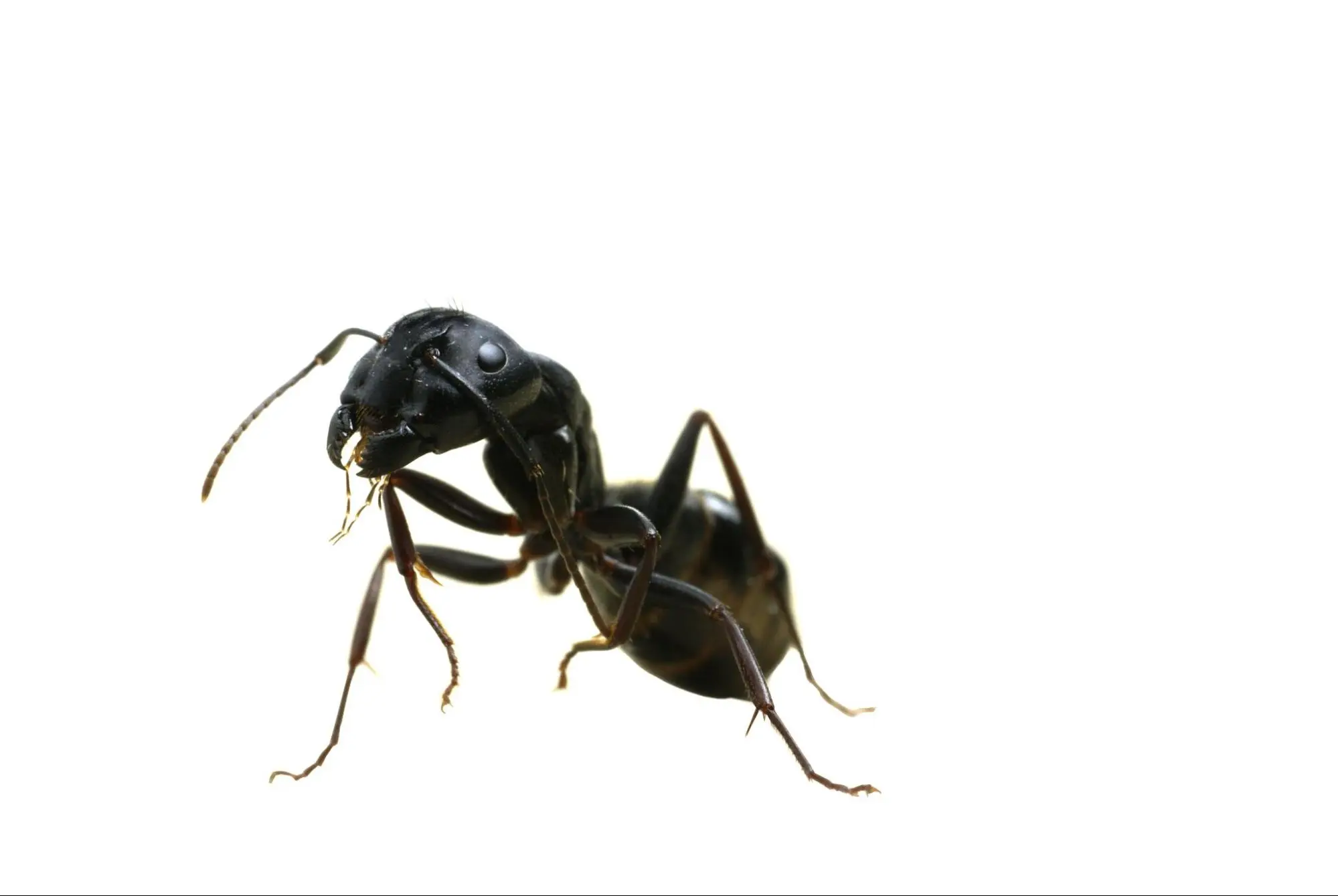
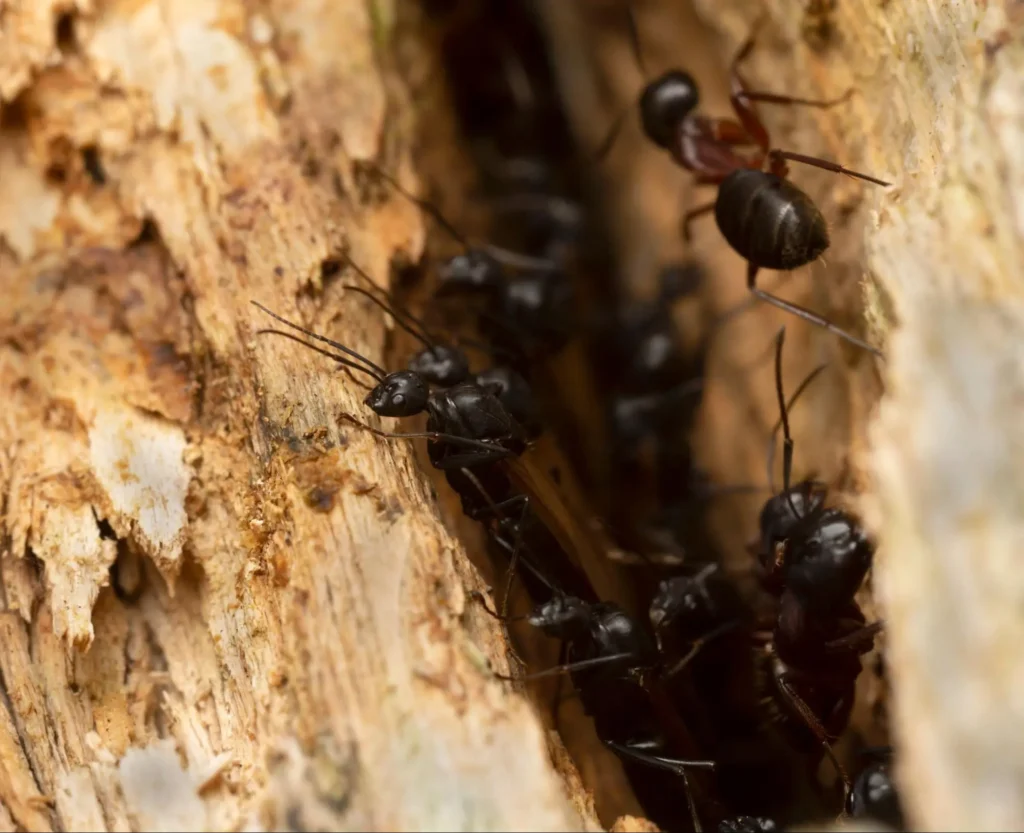
Carpenter ants are typically large, black or reddish-black ants, about a quarter to a half-inch long. You might see them foraging for food in your kitchen or along your foundation. Another sign is the frass they leave behind.
Unlike termite waste, which is more like mud tubes, frass from carpenter ants looks like fine wood shavings mixed with insect parts. You might also hear faint rustling sounds inside your walls, especially at night when they are most active. This is the sound of them excavating their galleries.
But a surefire sign is spotting winged ants, called swarmers, inside your home in the spring. This indicates a mature colony is nearby and ready to expand.
Where Do Carpenter Ants Hide?
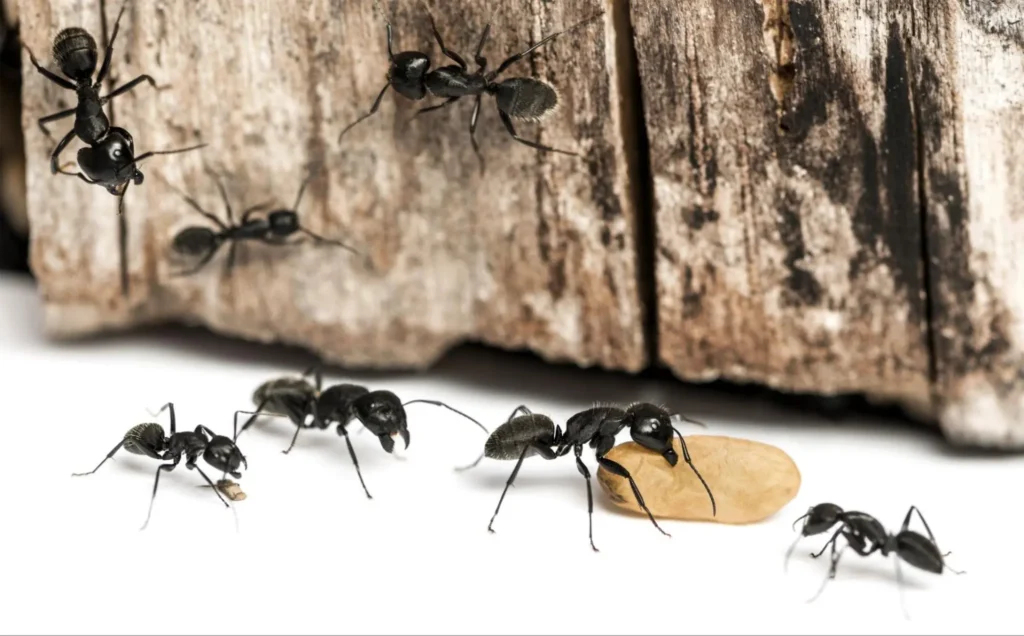
Sadly, just getting rid of the ants you see marching across your floor won’t solve the problem. You have to find and eliminate the parent nest, which is the heart of the infestation.
Carpenter ants are drawn to damp, decaying wood. Start your search in areas prone to moisture, checking around leaky pipes under sinks, poorly sealed windows and doors, and roof leaks in the attic. Basements and crawl spaces with poor ventilation are also prime locations.
You should also look for wood that feels soft or spongy. You can tap on wooden beams with a screwdriver handle and listen for a hollow sound, which can indicate a gallery inside. Outside, inspect old tree stumps, rotting fence posts, and woodpiles stacked against your house.
Seal Off Their Entry Points
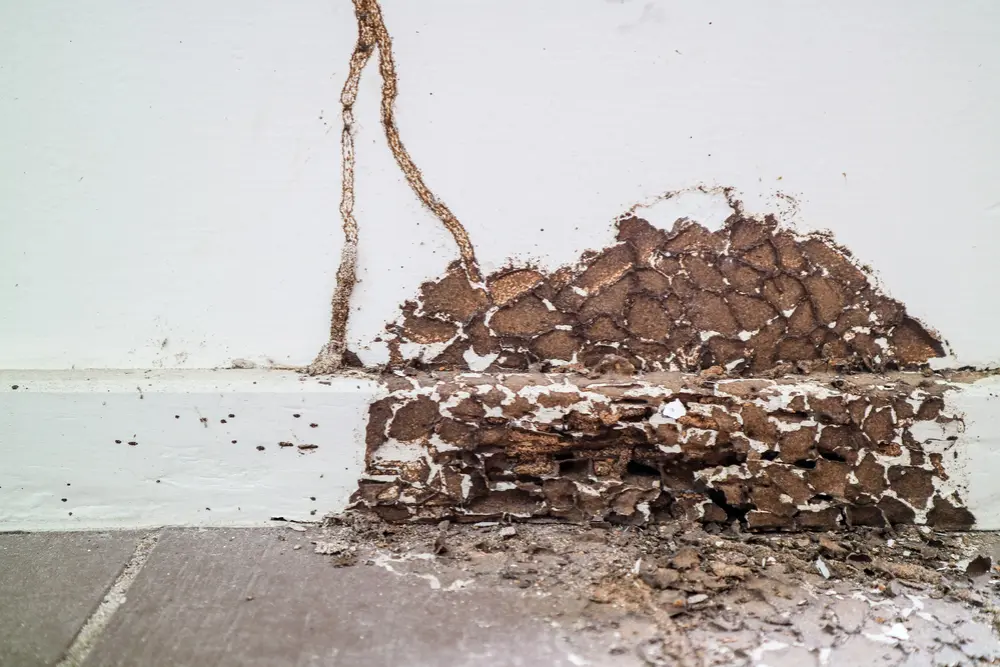
Ants need a way to get inside, and they’re experts at finding tiny openings. Part of your spring cleaning should also include a thorough inspection of your home’s exterior.
Look for cracks in the foundation, gaps around where utility pipes and wires enter the house, and torn window screens. Pay close attention to any place where wood touches the ground, like porch steps or deck supports. You should also trim back tree branches or shrubs that touch your house. Ants use these as bridges to bypass the ground and access your roof or siding directly.
Use a quality silicone caulk to seal any cracks and crevices you find, as this simple step cuts off their superhighways and makes it much harder for new ants to invade.
Remove Food and Water Sources
While carpenter ants nest in wood, they don’t eat it. Instead, their diet consists of proteins and sugars. They’ll forage for crumbs, pet food, and sweet spills in your kitchen.
Keeping your home clean is a powerful deterrent, so store any food, especially items like sugar, honey, and syrup, in airtight containers. Clean up spills immediately and don’t leave dirty dishes in the sink overnight. It’s also important to manage moisture inside your home.
Fix any plumbing leaks, use dehumidifiers in damp basements or crawl spaces, and make sure your gutters are clear and directing water away from your foundation.
When to Call the Professionals
DIY methods can sometimes manage a small, localized issue, and spring cleaning goes quite a long way in preventing a problem from settling in.
But carpenter ant colonies are often extensive and difficult to eliminate completely. A parent colony can be located outside your home with satellite nests established inside your walls. Over-the-counter sprays and baits might kill the foraging ants you see, but they rarely reach the queen and the core of the colony.
If you’ve found evidence of a widespread infestation or you can’t locate the nest, it’s time to call for help. A professional has the experience and tools to properly identify the species, locate all related nests, and implement a treatment plan that will eradicate the entire colony for good.
Don’t let carpenter ants compromise the structure and comfort of your Maine home this spring. If you’re seeing the signs of an infestation, take action. For a thorough inspection and effective, professional treatment, contact the experts at PWI Pest Control today.