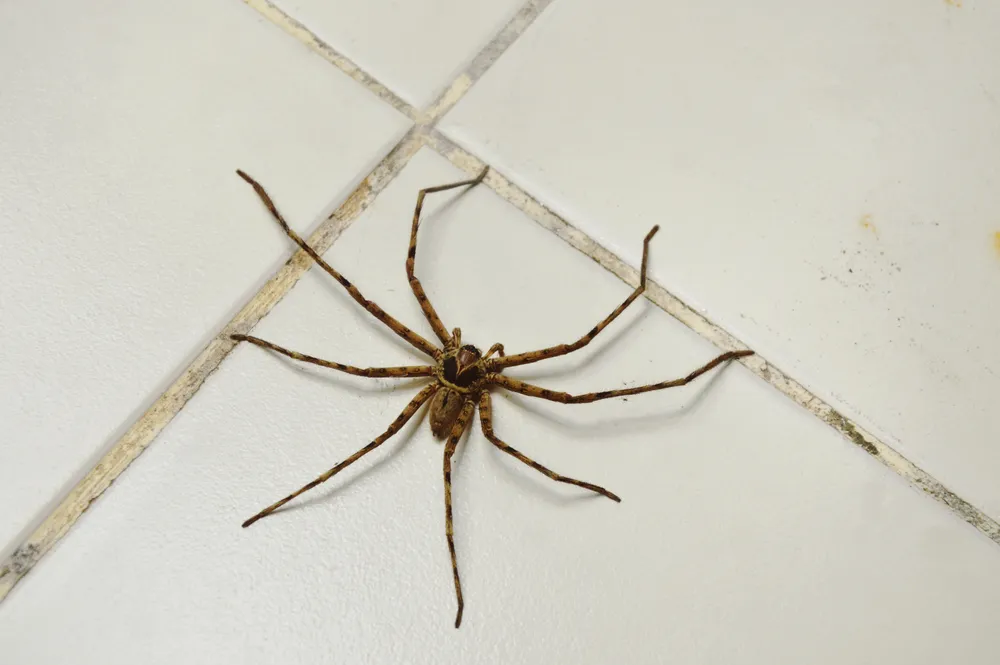
You might think spiders just vanish when the weather turns cold, packing up their webs and heading south for the winter.
It’s a nice thought, but the reality is quite different. Spiders don’t disappear. They just change their behavior, and often, that means they’re looking for a warm place to spend the colder months. Unfortunately, your house is at the top of their list.
Once you know how spiders operate in the winter, you can keep them from becoming your roommates. Because they don’t invade all at once, but instead gradually, coming indoors one by one as they seek refuge from the cold (just like other pests, such as flies).
In this guide, we’ll tell you what’s going on with spiders in the winter and how the right spider control can prevent you from having to see any more of them this season.
Why Do Spiders Come Inside During Winter?
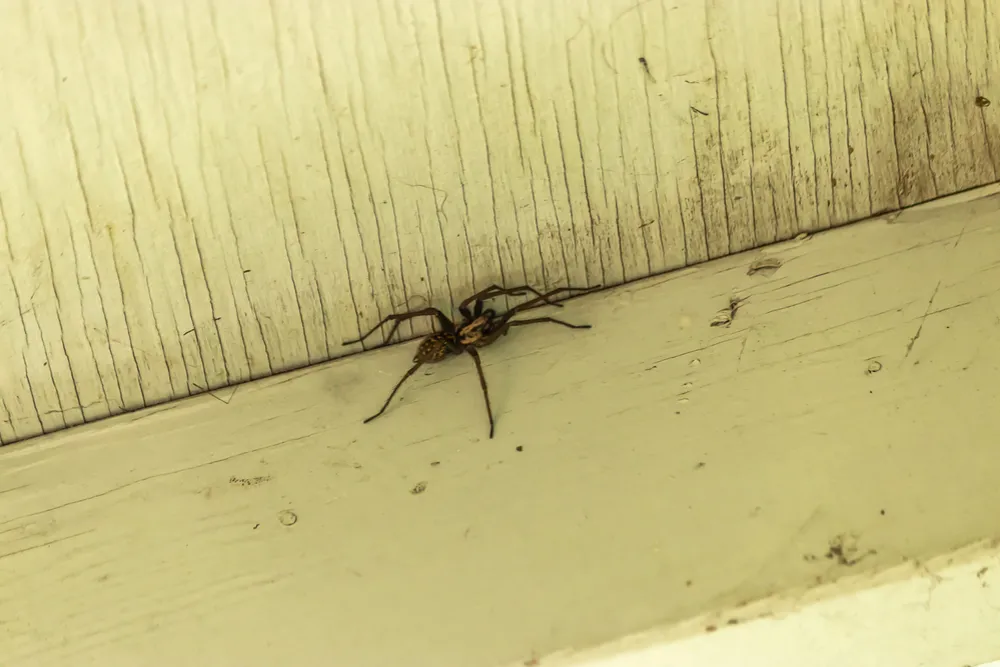
Spiders are cold-blooded, which means their body temperature depends on their surroundings. When the temperatures outside drop, their metabolism slows way down. They simply can’t function properly in the freezing cold, so they’re on the hunt for a safe, stable environment to wait it out.
Your home offers the perfect winter getaway: it’s warm, protected from the elements, and often has a steady food supply.
They aren’t necessarily trying to move in with you. They’re just following their survival instincts. A tiny crack in your foundation, a gap under a door, or an open vent is like a welcome mat.
They find these entry points and settle into quiet, undisturbed corners of your home: we’re talking places like your attic, basement, crawl spaces, or even the back of a cluttered closet. These spots are dark, rarely visited, and provide the ideal conditions for them to hunker down.
It’s also important to remember that many of the spiders you see inside during winter may have already been living there. Spiders that hatched inside your home during the spring or summer have grown up and are now more noticeable. They’ve been your quiet tenants all along, and as they reach maturity, you simply start seeing them more often, so it’s not really an emergency.
Where Are They Hiding?
Once inside, spiders are experts at finding the best hiding spots, preferring locations that are undisturbed and offer some protection. You’re not likely to find a web spun right in the middle of your busy living room. Instead, you should check the places that you tend to ignore.
A common winter hideout is the basement or cellar. These areas are often dark, a little damp, and full of nooks and crannies. Spiders can tuck themselves away behind storage boxes, in the corners of window wells, or along the ceiling joists. The same goes for your attic, since it’s a quiet, sheltered space where they can stay out of sight and out of mind.
Don’t forget about the less obvious spots, either. Look behind appliances that you rarely move, like the washing machine or the refrigerator. Check inside closets, especially ones you don’t use frequently.
Garages and sheds are also prime real estate for wintering spiders. They can hide in piles of wood, old boxes, or among gardening tools. Essentially, any place that’s cluttered and quiet is a potential spider sanctuary.
Are Winter Spiders Dangerous?
The good news is that the vast majority of spiders you’ll find in your home are harmless. Common house spiders, cellar spiders (daddy long legs), and jumping spiders might be a nuisance, but they pose no threat to you, your family, or your pets. In fact, they can be beneficial by preying on other pests like flies, mosquitoes, and ants. No need to have spider control on speed dial for these guys!
Of course, there are a couple of exceptions to be aware of: the black widow and the brown recluse. While encounters with these venomous spiders are rare (and virtually unheard of here in Maine, where they aren’t naturally found and are present only as occasional accidental hitchhikers), they do sometimes seek shelter indoors.
If you suspect you have black widows or brown recluses (or any other venomous spiders), it’s best to exercise caution. Avoid trying to handle them yourself. These spiders are not aggressive and will only bite if they feel threatened, but a bite can require medical attention (and timely extermination).
How to Prevent Spiders from Coming Inside
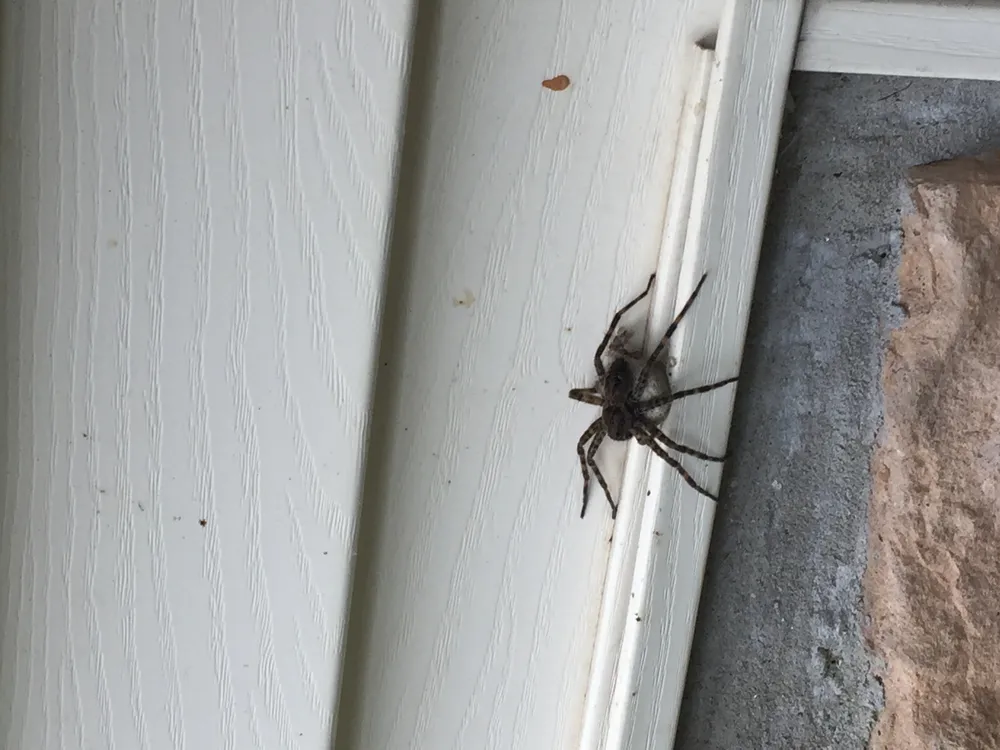
Preventing spiders from entering your home in the first place is the most effective form of winter spider control. You’ve got to make your home less inviting and seal off any potential entry points.
Start by doing a thorough inspection of your home’s exterior, looking for cracks and crevices in the foundation, siding, and around windows and doors. Use caulk or sealant to fill any gaps you find, and pay close attention to where utility pipes and wires enter the house, as these are common entry points.
Next, install or repair screens on all your windows and doors. Add weather stripping to the bottom of your doors to close any gaps. You can also install fine mesh over vents and chimney openings. The goal is to create a physical barrier that makes it difficult for spiders and other pests to get inside.
Keeping the area immediately around your home’s foundation clear can also make a big difference. Move firewood piles, compost bins, and any other debris away from the house. Trim back shrubs, trees, and other vegetation that touch the walls or roof. These things provide spiders with a convenient bridge to your home.
Finally, think about your lighting. Outdoor lights can attract a lot of insects, which in turn attract spiders looking for a meal. Consider switching to yellow or sodium vapor light bulbs, as they are less attractive to bugs. Using motion-activated lights can also help reduce the number of insects hanging around your home.
Ready for a Spider-Free Winter?
Dealing with spiders in the winter is mostly about being proactive. But sometimes, even with the best prevention efforts, you might find yourself with a spider problem that feels overwhelming.
If you’re seeing more spiders than you’re comfortable with, or if you’re concerned about potentially venomous species, it’s time to call in the professionals.
At PWI Pest Control, we have the expertise and tools to handle any spider situation. We can help you identify problem areas, implement effective control measures, and give you peace of mind all winter long. Contact PWI Pest Control today for your spider control consultation.