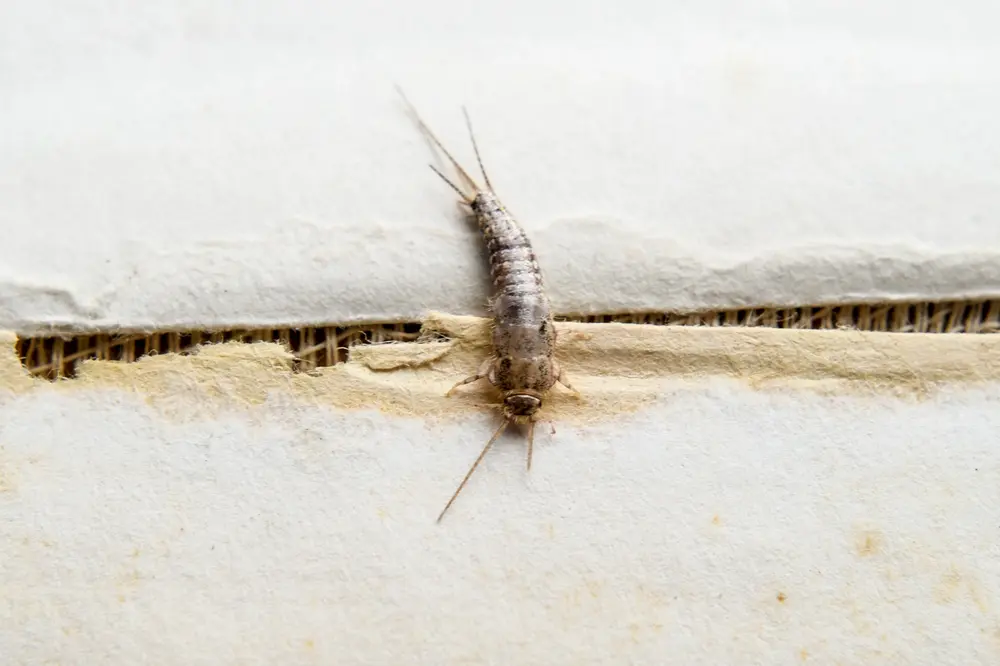
You’ve probably seen them. A quick, silvery flash of movement out of the corner of your eye when you flip on the bathroom light late at night. Or maybe you opened a long-forgotten book and a tiny, carrot-shaped creature wiggled out from between the pages.
Meet the silverfish, one of the home’s most ancient and mysterious invaders. They look like something from a prehistoric era, and that’s because they are. These creatures have been around for more than 400 million years, which means they were crawling around long before the dinosaurs.
But knowing they’re old doesn’t answer the most pressing question: where do they actually come from, and why are they setting up camp in your house? You didn’t send them an invitation, yet here they are.
If you want to get rid of silverfish, you need to understand what they want, what they eat, and how they sneak their way into your personal spaces. Let’s break it down.
The Great Outdoors: A Silverfish’s Natural Home
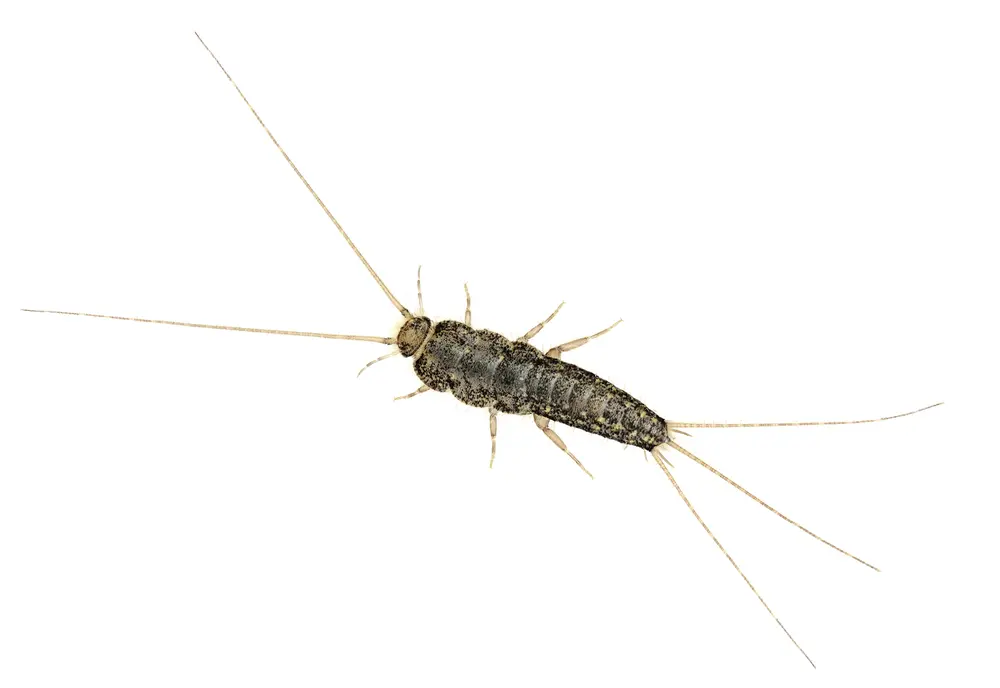
Before a silverfish ever considers your home its personal five-star resort, it starts its life outdoors. They aren’t aliens that just materialize in your bathtub. They are seasoned survivalists that thrive in specific natural environments. Their ideal outdoor home is dark, damp, and undisturbed.
Think about the areas around your own property that might fit this bill. Silverfish love hiding under rocks, in piles of damp leaves, beneath mulch, and inside rotting logs. They also hang out in bird nests and animal burrows.
These spots provide everything they need: protection from predators, moisture to prevent them from drying out, and a steady supply of food. They are quiet decomposers, happily munching on fungi, mold, and decaying organic matter. They play a small but important role in the ecosystem, breaking down dead plant material.
For most of the year, they’re perfectly content living their best life outside. The problems start when conditions outdoors become less than ideal, or when a golden opportunity to upgrade their living situation presents itself. That opportunity is often your house.
The Journey Indoors: How Silverfish Invade Your Home
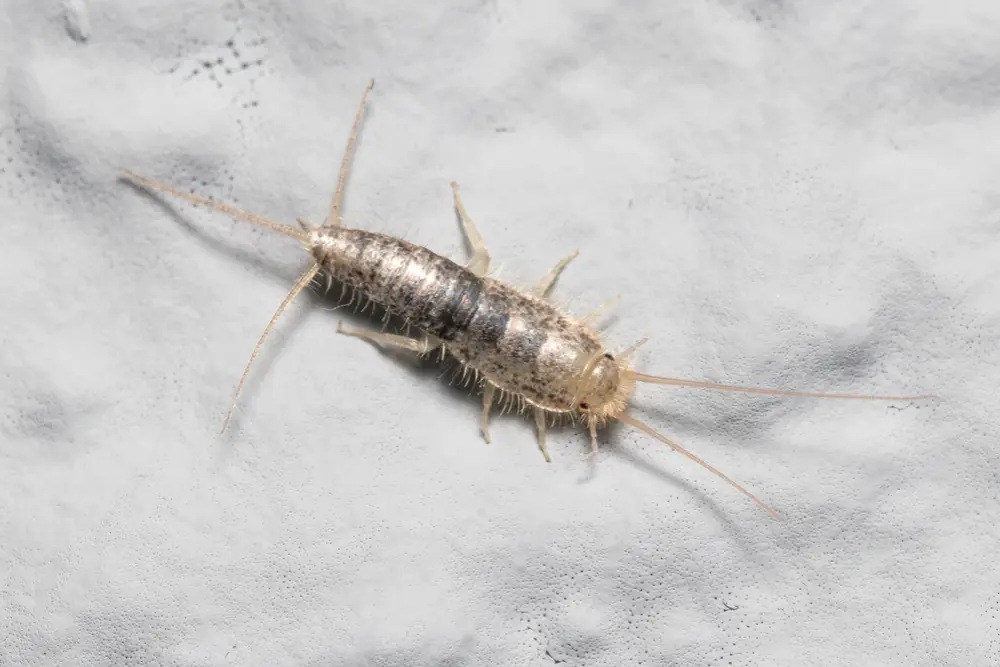
So, how does a silverfish make the leap from a damp leaf pile to your laundry room? They’re not exactly marathon runners, but they are incredibly resourceful infiltrators. They typically find their way inside through a few common routes.
Hitching a Ride
One of the most frequent ways silverfish enter your home is by hitchhiking. You might be their unknowing chauffeur. They can easily hide in cardboard boxes, especially ones that have been stored in a damp garage, shed, or storage unit. When you bring those boxes of old college textbooks, holiday decorations, or stored files inside, you could be carrying a few silverfish along with them.
They can also stow away in furniture, piles of old newspapers or magazines, and even building materials. If you’ve recently had construction work done or brought in a large delivery, you may have accidentally rolled out the welcome mat.
Exploiting Your Home’s Weaknesses
Silverfish are small and have flattened bodies, making them experts at squeezing through tiny cracks and gaps. Your home, no matter how well-built, likely has numerous potential entry points.
Some common weak spots include:
- Foundation Cracks: Small fissures in your home’s foundation are like open doors.
- Gaps Around Pipes: The spaces where utility pipes for water, gas, or electricity enter your house are rarely perfectly sealed.
- Poorly Sealed Windows and Doors: Worn weather stripping or gaps in window and door frames offer easy access.
- Damaged Screens: A tiny tear in a window or vent screen is all they need.
They are driven by a constant search for moisture and food. A leaky pipe under a sink or a humid basement creates the perfect environment that draws them in from the outside.
What Makes Your Home a Silverfish Paradise?
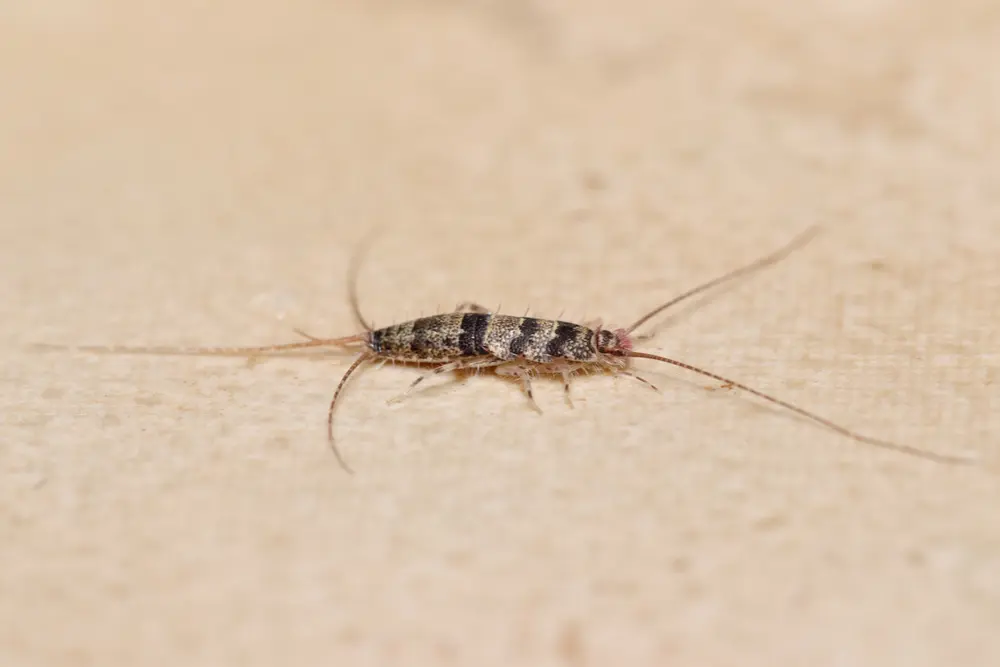
Once they’re inside, silverfish don’t just wander around aimlessly. They seek out specific areas that replicate their preferred natural habitat. Their survival depends on three key things: moisture, food, and darkness.
The All-Important Moisture
Humidity is non-negotiable for silverfish. They have a high moisture requirement and will quickly dehydrate and die in dry environments. This is why you almost always find them in the most humid parts of your home.
Prime real estate for silverfish includes:
- Bathrooms: Steam from showers creates a consistently damp environment. They hide behind baseboards, under sinks, and around toilets. The bathtub is a common place to spot them because they often fall in while seeking water and can’t climb the smooth, slippery sides to get out.
- Basements and Crawl Spaces: These areas are often dark, cool, and prone to dampness, making them a perfect breeding ground.
- Laundry Rooms: The humidity from the washer and dryer, plus potential leaks, creates an ideal habitat.
- Attics: Poor ventilation and roof leaks can lead to moisture buildup, attracting silverfish to stored boxes and insulation.
A Buffet of Household Goods
Silverfish have a surprisingly specific, and for homeowners, a destructive diet. They are big fans of starches, sugars, and proteins. Unfortunately, these things are found in a huge variety of common household items.
Their menu includes:
- Paper and Glue: This is a major one. Silverfish love the starches found in paper products and the adhesives used in bookbinding. This is why they are notorious for damaging books, photographs, wallpaper, and important documents. They will literally eat the glue right off your wallpaper seams.
- Carbohydrates: They will happily feast on crumbs from cereals, flour, pasta, and other pantry staples if they can get to them.
- Fabrics: Silverfish are also known to chew on certain textiles, particularly natural fibers like cotton, linen, silk, and rayon. They can cause yellow staining and small holes in clothing, upholstery, and curtains.
- Dandruff and Hair: Yes, you read that right. They will consume shed human skin cells and hair, which is another reason they are so at home in your bathroom.
- Their Own Shed Skin: As they grow, silverfish molt. They often eat their own shed exoskeletons to recycle the nutrients.
Because they are nocturnal, they can cause significant damage over time before you even realize you have a problem. You might only notice the aftermath, like tiny holes in your favorite shirt or scalloped edges on the pages of a treasured book.
Tired of These Uninvited Guests?
Silverfish are fascinating creatures from a biological standpoint, but they’re not the kind of long-term roommates anyone wants. Their destructive eating habits can ruin sentimental items and their presence is just plain unsettling. While keeping humidity low and sealing up entry points can help, a persistent silverfish population often requires a more direct approach.
If you’re seeing these silvery sprinters more often than you’d like, it’s time to call in the professionals. At PWI Pest Solutions, we understand where silverfish come from and exactly how to get them out. Our experts can identify their hiding spots, eliminate the current infestation, and help you take steps to prevent them from coming back.
Don’t let your home become a history museum for these ancient pests. Contact PWI Pest Solutions today!